Introduction
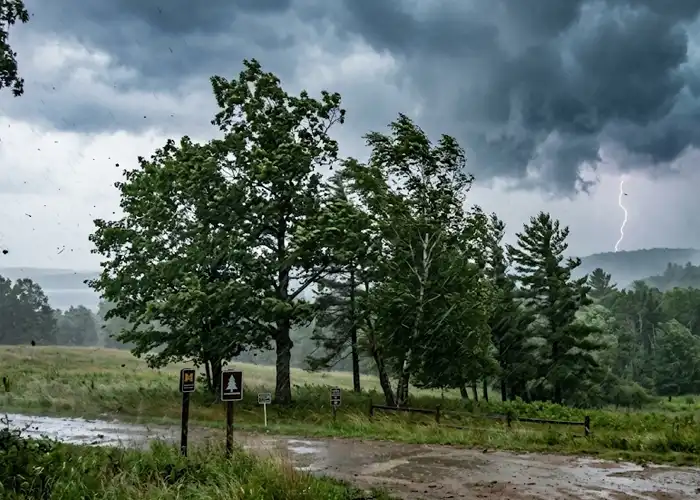
Summer in West Michigan means warmer temperatures, longer days, and plenty of time outdoors. It also means thunderstorm season. Strong winds, heavy rain, lightning, and sudden weather changes can put enormous stress on trees. In just a few minutes, a severe storm can break branches, uproot trees, or send limbs crashing onto homes, vehicles, and power lines.
The good news is that many storm-related tree failures are preventable. Trees often show warning signs long before they become dangerous. Regular inspections, proper pruning, and proactive tree care can significantly reduce the risk of damage when severe weather arrives.
If you've ever worried about a large tree near your home or wondered whether your trees are ready for summer storms, now is the perfect time to take a closer look.
In this guide, we'll explain how to prevent tree damage during summer storms and what West Michigan homeowners can do to protect their property and trees before severe weather strikes.
Why Summer Storms Cause So Much Tree Damage
Michigan experiences a wide range of weather conditions throughout the summer. While many storms pass without causing significant issues, severe weather can quickly expose weaknesses in trees.
High Winds and Gusts
Wind is one of the most common causes of storm-related tree damage.
Strong gusts place tremendous stress on:
- Large limbs
- Weak branch attachments
- Decayed sections
- Trees with poor structure
Even healthy trees can lose branches during extreme wind events. Trees with existing defects face a much greater risk.
Wind damage often occurs when a heavy branch catches the force of the wind like a sail. The additional pressure can cause the limb to split or break.
Heavy Rain and Saturated Soil
Rain itself doesn't usually damage trees, but saturated soil can create serious problems.
When the ground becomes waterlogged:
- Roots lose stability
- Soil strength decreases
- Trees become more vulnerable to uprooting
Large trees with shallow root systems are especially susceptible after prolonged rainfall.
Lightning and Severe Weather Events
Lightning strikes can split trunks, destroy internal tissues, and weaken trees instantly.
While lightning damage is relatively uncommon compared to wind damage, affected trees should always be inspected because structural defects may not be immediately visible.
Warning Signs Your Trees May Be Vulnerable to Storm Damage
Many tree failures occur because warning signs were overlooked.
Knowing what to look for can help homeowners address issues before storms arrive.
Dead or Hanging Branches
Dead branches are among the most common storm hazards.
Warning signs include:
- Branches without leaves
- Brittle limbs
- Broken limbs hanging in the canopy
- Visible decay
Dead wood weakens over time and can fall unexpectedly.
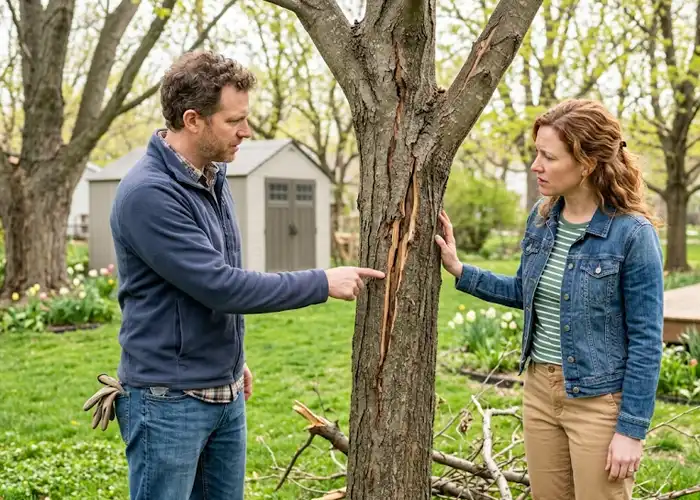
Cracks and Weak Branch Attachments
Inspect major branches and the trunk for:
- Deep cracks
- Splits
- Areas where multiple stems join
- Weak branch unions
These defects often worsen under wind stress.
Leaning Trees and Root Problems
A tree that suddenly begins leaning should be evaluated immediately.
Watch for:
- Soil lifting around the base
- Exposed roots
- Ground cracks
- New leaning after storms
These symptoms may indicate root failure.
Preventative Step #1: Schedule Regular Tree Pruning
Proper pruning is one of the most effective ways to reduce storm damage risk.
Removing Dead and Weak Branches
Dead, damaged, and diseased limbs are often the first parts of a tree to fail during a storm.
Removing these branches proactively reduces the likelihood of unexpected breakage.
Improving Tree Structure
Young trees benefit from structural pruning that encourages strong branch development.
Proper branch spacing and attachment angles can improve long-term stability.
Reducing Wind Resistance
Selective thinning allows wind to move more freely through the canopy.
This reduces pressure on major limbs and decreases the chance of failure during severe weather.
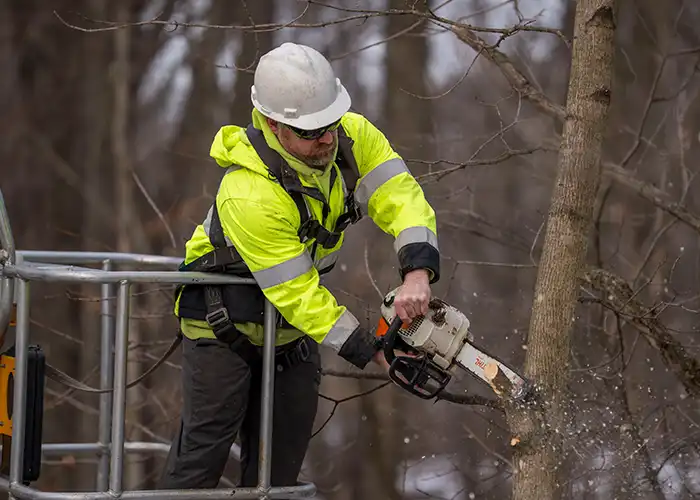
Preventative Step #2: Remove Hazardous Trees Before Storm Season
Sometimes pruning alone isn't enough.
Signs a Tree May Need Removal
Warning signs include:
- Significant decay
- Large cavities
- Dead canopy sections
- Severe lean
- Root failure
- Extensive storm damage
Why Waiting Can Be Costly
A hazardous tree may remain standing for years—or it may fail during the next storm.
Removing a dangerous tree before it falls is typically safer and less expensive than emergency removal after property damage occurs.
Preventative Step #3: Inspect Trees for Disease and Decay
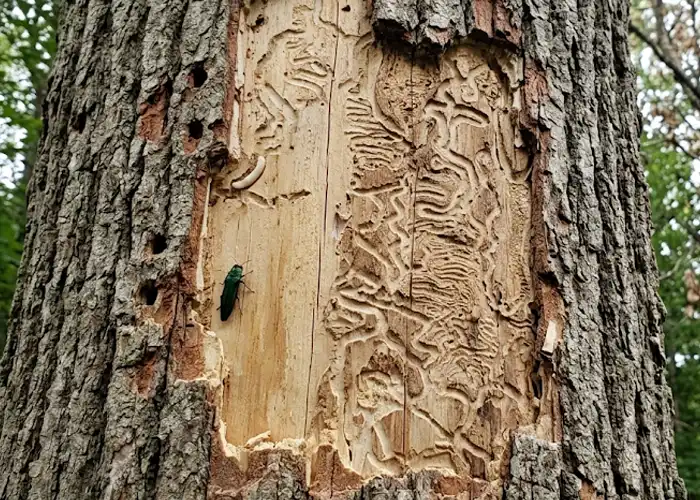
Disease can significantly weaken a tree's ability to withstand storms.
Common Disease Symptoms
Watch for:
- Leaf discoloration
- Premature leaf drop
- Dead branches
- Fungal growth
- Bark abnormalities
How Decay Increases Storm Risk
Decay reduces the strength of wood fibers.
As decay progresses, branches and trunks become less capable of handling wind loads.
Many trees that fail during storms have underlying decay that was present long before the weather event.
Preventative Step #4: Monitor Root Health
Healthy roots are critical for tree stability.
Protecting the Root Zone
Avoid activities that damage roots, including:
- Excavation
- Soil compaction
- Excessive grading
- Vehicle traffic
Protecting roots helps maintain tree stability.
Identifying Root Damage
Warning signs include:
- Mushroom growth near the base
- Leaning trees
- Sparse canopy growth
- Root exposure
Root problems often go unnoticed until a tree begins showing visible symptoms.
Preventative Step #5: Consider Tree Cabling and Bracing
Some structurally weak trees can be strengthened without removal.
What Cabling and Bracing Do
Support systems help reduce stress on weak limbs and branch unions.
Cables and braces can improve stability and reduce the likelihood of failure.
Trees That May Benefit
Cabling and bracing are commonly used for:
- Mature shade trees
- Trees with multiple trunks
- Trees with weak branch attachments
- Valuable landscape trees
A professional evaluation can determine whether support systems are appropriate.
Additional Storm Preparation Tips for Homeowners
Beyond tree-specific maintenance, a few additional steps can help reduce storm-related risks.
Keep Trees Away from Structures
Monitor branch growth near:
- Roofs
- Chimneys
- Gutters
- Garages
- Utility lines
Maintaining proper clearance reduces the chance of storm damage.
Inspect Trees Annually
Routine inspections allow problems to be identified before severe weather arrives.
Annual evaluations are particularly important for mature trees.
Don't Ignore Small Problems
Many major failures begin as minor defects.
Addressing issues early often prevents larger, more expensive problems later.
What to Do After a Summer Storm
Even well-maintained trees can sustain storm damage.
Safety First
Stay away from:
- Downed power lines
- Hanging branches
- Leaning trees
- Damaged root systems
Never attempt to remove storm-damaged limbs near utility lines.
Assessing Tree Damage
After the storm passes, look for:
- Broken branches
- Cracked trunks
- Leaning trees
- Uprooted roots
Document any damage with photographs.
When to Call a Professional
Contact a tree service if you observe:
- Large broken limbs
- Structural damage
- Trees contacting power lines
- Significant leaning
- Uprooted trees
Professional assessment helps determine whether pruning, cabling, or removal is necessary.
Benefits of Professional Tree Maintenance
Preventative tree care provides long-term benefits that extend beyond storm protection.
Improved Tree Health
Healthy trees generally resist disease, insects, and environmental stress more effectively.
Reduced Property Damage Risk
Routine maintenance helps eliminate hazards before they become emergencies.
Lower Long-Term Costs
Preventative care is often less expensive than emergency tree removal and structural repairs.
Greater Peace of Mind
Knowing your trees have been professionally evaluated can provide confidence during storm season.
Frequently Asked Questions
What causes trees to fall during summer storms?
The most common causes include high winds, root failure, decay, structural defects, and saturated soil conditions.
Can healthy trees still suffer storm damage?
Yes. Even healthy trees can lose branches during severe weather. However, healthy trees generally perform better than neglected trees.
How often should trees be pruned?
Most mature trees benefit from pruning every three to five years, although needs vary by species and condition.
Is tree cabling worth it?
For valuable trees with structural weaknesses, cabling and bracing can provide additional support and help reduce failure risk.
When should I remove a tree instead of trimming it?
Removal may be necessary when a tree has severe decay, root failure, extensive structural damage, or poses a significant safety risk.
Should I inspect my trees before every storm?
While that's not always practical, annual inspections and periodic evaluations after severe weather are highly recommended.
Conclusion
Summer storms are a fact of life in West Michigan, but tree damage doesn't have to be. Many storm-related failures can be prevented through regular pruning, inspections, disease management, root protection, and proactive tree care.
Taking action before severe weather arrives can help protect your home, improve tree health, and reduce the likelihood of costly emergency situations.
If you're concerned about the condition of your trees, G2 Tree Services provides professional tree inspections, tree trimming, hazardous tree assessments, tree cabling and bracing, storm damage cleanup, and tree removal throughout Grand Rapids, Rockford, Ada, Kentwood, Wyoming, Byron Center, and surrounding West Michigan communities.
Contact G2 Tree Services today for a free estimate and professional storm-preparedness evaluation.