Introduction
A healthy tree adds beauty, shade, and value to your property. But when disease strikes, a tree's condition can decline quickly. Unfortunately, many homeowners don't notice the warning signs until branches start dying, leaves begin dropping early, or the tree becomes a safety hazard.
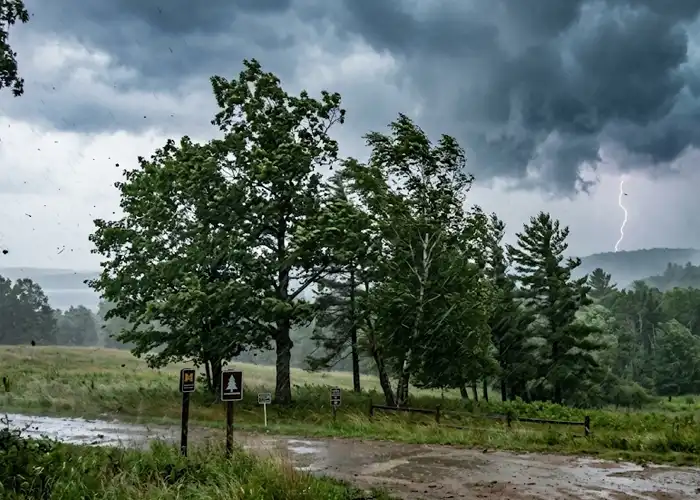
In West Michigan, changing weather conditions, insects, fungi, and environmental stress can all contribute to tree disease. Some diseases affect a tree's appearance, while others attack its structure and root system, making it more likely to fail during storms or high winds.
The good news is that many tree diseases show visible symptoms before serious damage occurs. Learning what to look for can help you take action early and potentially save the tree.
In this guide, we'll cover some of the most common tree diseases in West Michigan, explain how to spot them, and discuss when professional tree care or tree removal may be necessary.
Why Tree Diseases Are Common in West Michigan
West Michigan provides excellent growing conditions for many tree species, but those same conditions can also support insects, fungi, and diseases.
Weather and Environmental Factors
The region experiences:
- Cold winters
- Wet springs
- Humid summers
- Frequent storms
These changing conditions can create opportunities for fungal growth and disease development.
Stress, Drought, and Storm Damage
Trees under stress are more vulnerable to disease.
Common stress factors include:
- Drought
- Soil compaction
- Construction damage
- Storm injuries
- Poor pruning practices
When trees become weakened, diseases can spread more easily.
Disease #1: Oak Wilt
Oak Wilt is one of the most serious tree diseases affecting oak trees throughout Michigan.
What Is Oak Wilt?
Oak Wilt is a fungal disease that spreads through root systems and beetle activity.
Once infected, many oak trees decline rapidly.
Signs and Symptoms of Oak Wilt
Common symptoms include:
- Leaves turning brown from the edges inward
- Premature leaf drop
- Thinning canopy
- Rapid decline during the growing season
Red oak species are particularly susceptible.
Why Early Detection Matters
Oak Wilt can spread quickly between nearby trees.
Prompt identification and treatment may help slow the spread and protect surrounding trees.
Disease #2: Dutch Elm Disease
Dutch Elm Disease has devastated elm populations throughout North America.
What Causes Dutch Elm Disease?
The disease is caused by a fungus spread primarily by bark beetles.
Symptoms to Watch For
Signs include:
- Yellowing leaves
- Wilting branches
- Brown streaking beneath the bark
- Progressive branch dieback
Symptoms often begin in one section of the canopy before spreading throughout the tree.
Disease #3: Emerald Ash Borer Damage
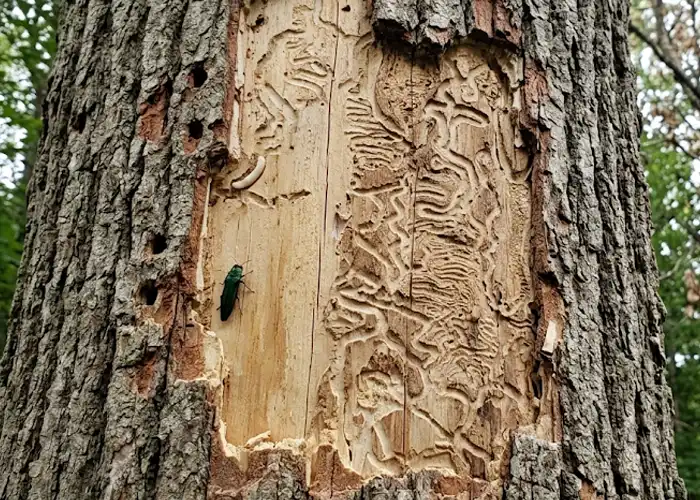
While technically caused by an invasive insect rather than a disease, Emerald Ash Borer damage remains one of the most common causes of ash tree decline in Michigan.
Why Ash Trees Are Vulnerable
The insect larvae feed beneath the bark and disrupt the tree's ability to transport water and nutrients.
Signs of Infestation and Decline
Look for:
- Thinning canopy
- Dead upper branches
- D-shaped exit holes
- Increased woodpecker activity
- Bark splitting
Without treatment, most untreated ash trees eventually die.
Disease #4: Anthracnose
Anthracnose is a fungal disease that commonly affects shade trees during cool, wet spring weather.
Commonly Affected Trees
Anthracnose frequently impacts:
- Maple trees
- Oak trees
- Sycamore trees
- Ash trees
Symptoms of Anthracnose
Signs may include:
- Brown leaf spots
- Distorted leaves
- Premature leaf drop
- Twig dieback
While usually not fatal, repeated infections can weaken trees over time.
Disease #5: Apple Scab
Apple Scab affects crabapple trees and ornamental apple varieties commonly planted in residential landscapes.
Trees Commonly Affected
Most frequently affected are:
- Flowering crabapple trees
- Ornamental apple trees
How to Identify Apple Scab
Watch for:
- Olive-green spots on leaves
- Dark lesions
- Premature leaf drop
- Reduced flowering
Severe infections can diminish the tree's appearance and overall health.
Disease #6: Cytospora Canker
Cytospora Canker is a fungal disease often found on spruce trees and other stressed conifers.
Trees Most Often Affected
Common hosts include:
- Colorado Blue Spruce
- Norway Spruce
- White Spruce
Warning Signs
Symptoms may include:
- Dead lower branches
- Resin or sap flow
- Needle discoloration
- Progressive branch dieback
The disease often starts on lower limbs and moves upward over time.
Disease #7: Root Rot and Fungal Diseases
Root diseases are among the most difficult tree problems to detect because they develop below ground.
Causes of Root Rot
Common causes include:
- Poor drainage
- Excessive moisture
- Fungal infections
- Soil compaction
Symptoms of Advanced Decay
Signs may include:
- Yellowing leaves
- Sparse canopy
- Slow growth
- Leaning trees
- Mushrooms near the base
Advanced root rot can create serious structural hazards.
Signs a Diseased Tree May Need Removal
Not every diseased tree requires removal. However, some situations create unacceptable risks.
Structural Risks
A tree may need removal if disease has caused:
- Significant decay
- Hollow trunks
- Severe canopy loss
- Root failure
Safety Concerns
Removal may also be necessary when a diseased tree threatens:
- Homes
- Garages
- Vehicles
- Utility lines
- Public areas
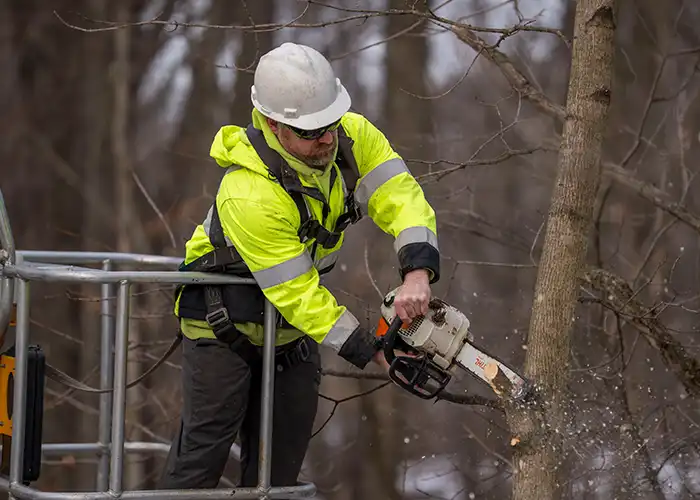
A professional evaluation can help determine the safest course of action.
How to Help Prevent Tree Diseases
While no tree is completely immune, proactive care can improve tree health and reduce disease risk.
Proper Tree Care
Healthy trees are generally more resistant to disease.
Important practices include:
- Proper watering
- Mulching
- Soil management
- Avoiding root damage
Routine Inspections
Annual inspections help identify problems before they become severe.
Early intervention often improves treatment success.
Professional Pruning
Proper pruning improves airflow, removes infected branches, and reduces stress on the tree.
Poor pruning practices can have the opposite effect.
When to Call a Professional Tree Service
Contact a professional if you notice:
- Rapid canopy decline
- Significant dead branches
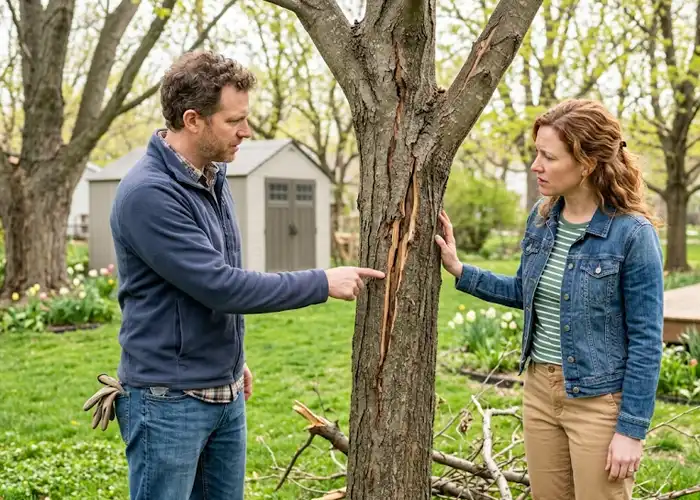
- Trunk cavities
- Fungal growth
- Leaning trees
- Root damage
- Insect infestations
Many tree diseases require specialized knowledge for accurate diagnosis and treatment recommendations.
Frequently Asked Questions
What is the most common tree disease in Michigan?
Several diseases are common, but Oak Wilt, Dutch Elm Disease, and Emerald Ash Borer damage are among the most significant.
Can diseased trees recover?
Some diseases can be managed successfully if caught early. Others may cause irreversible damage.
How do I know if my tree is diseased or just stressed?
Many symptoms overlap. A professional inspection can help determine the underlying cause.
Should I remove a diseased tree immediately?
Not always. Some trees can be treated or monitored. However, severely compromised trees may require removal.
Can tree diseases spread to nearby trees?
Yes. Many diseases spread through root systems, insects, spores, or direct contact.
How often should trees be inspected?
Annual inspections are recommended, especially for mature trees and those near structures.
Conclusion
Tree diseases can have a major impact on the health, appearance, and safety of your landscape. Fortunately, many common diseases provide warning signs before severe damage occurs.
By learning how to recognize symptoms such as canopy decline, leaf discoloration, fungal growth, dead branches, and unusual bark changes, homeowners can take action before problems become emergencies.
If you're concerned about the health of a tree on your property, G2 Tree Services provides professional tree inspections, tree trimming, tree removal, storm damage cleanup, and expert tree care throughout Grand Rapids, Rockford, Ada, Kentwood, Wyoming, Byron Center, and surrounding West Michigan communities.
Contact G2 Tree Services today for a professional tree health assessment and free estimate.