Introduction
After a long West Michigan winter, your trees may have survived months of snow, ice, freezing temperatures, and high winds. While some damage is easy to spot, many tree problems aren't obvious until spring arrives.
That's why a spring tree inspection is one of the smartest things homeowners can do. Small issues like cracked branches, hidden decay, or storm damage can quickly turn into expensive problems if they're left unchecked. Catching these issues early can help protect your home, improve tree health, and reduce the risk of emergency tree removal later in the year.
The good news is that you don't need to be an arborist to perform a basic inspection. With a simple checklist and a careful walk around your property, you can identify many common warning signs before they become serious hazards.
This spring tree inspection checklist will help West Michigan homeowners evaluate their trees and know when it's time to call a professional tree service.
Why Spring Tree Inspections Matter in West Michigan
Spring is one of the most important times of year for tree care. The transition from winter to warmer weather gives homeowners an opportunity to evaluate how their trees handled the stresses of the previous season.
Winter Damage Often Goes Unnoticed
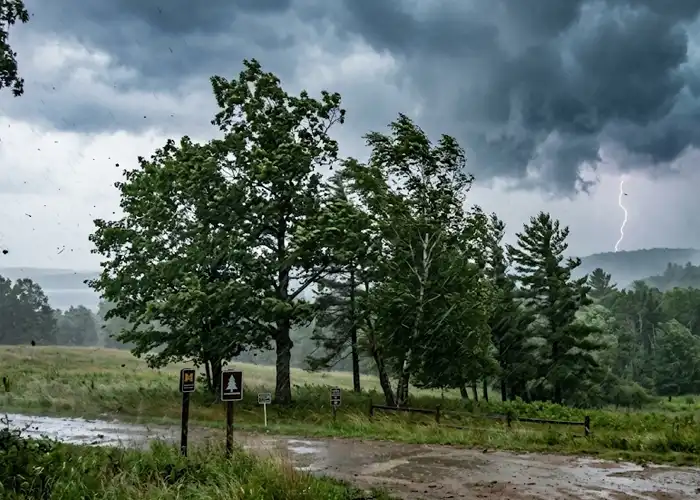
Snow and ice can place enormous stress on tree branches and trunks. High winds may weaken limbs without causing them to fail immediately. In some cases, damage remains hidden until new growth begins in spring.
Many homeowners don't realize a tree is struggling until a branch falls during a summer thunderstorm.
Spring Is the Ideal Time to Assess Tree Health
Before leaves fully emerge, it's easier to see a tree's structure. You can identify dead branches, cracks, and other defects that may be hidden later in the growing season.
A spring inspection also allows you to address problems before severe weather arrives.
Checklist Item #1: Look for Broken or Hanging Branches
Winter storms are one of the leading causes of branch damage throughout West Michigan.
Common Winter Storm Damage
Ice accumulation can cause limbs to bend, crack, or break. Heavy snow loads can create similar issues.
Look for:
- Broken limbs
- Partially detached branches
- Branches hanging in the canopy
- Fresh splintered wood
When a Broken Branch Becomes Dangerous
Even if a branch remains attached, it may be unstable.
A large hanging limb can fall unexpectedly and damage property or injure someone below. Trees over driveways, sidewalks, patios, and homes deserve special attention.
Checklist Item #2: Check for Cracks and Splits in the Trunk
The trunk provides the primary structural support for the entire tree.
Signs of Structural Damage
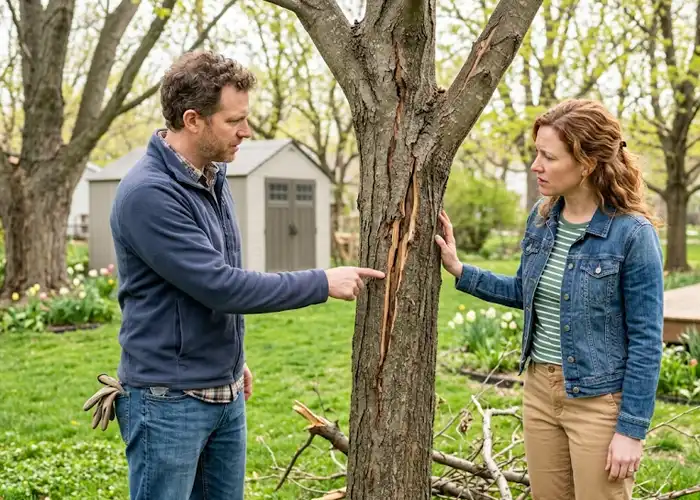
Walk around the tree and inspect the trunk carefully.
Look for:
- Vertical cracks
- Deep splits
- Open wounds
- Areas where multiple stems are separating
Why Trunk Defects Matter
A cracked trunk may indicate significant structural weakness. Some defects can be managed through pruning or support systems, while others require removal.
The larger the crack, the greater the concern.
Checklist Item #3: Inspect the Base of the Tree
Many serious tree problems begin below ground.
Root Damage Warning Signs
Healthy roots help anchor the tree and provide nutrients.
Watch for:
- Exposed roots
- Broken roots
- Damaged root flare
- Root decay
Soil Movement and Leaning Trees
Check the soil around the base.
Signs of concern include:
- Raised soil
- Ground cracks
- New leaning
- Root plate movement
These symptoms may indicate root failure.
Checklist Item #4: Watch for Dead or Dying Branches
Dead branches can be difficult to spot until spring growth begins.
How to Identify Dead Wood
Dead branches often appear:
- Brittle
- Dry
- Leafless
- Discolored
You may notice bark peeling away from the branch surface.
Why Dead Branches Should Be Removed
Dead limbs eventually fall.
Removing them early reduces the risk of property damage and improves overall tree health.
Checklist Item #5: Look for Signs of Disease or Decay
Tree diseases can weaken trees long before visible symptoms become severe.
Common Indicators of Tree Disease
Watch for:
- Discolored leaves
- Early leaf drop
- Abnormal growth
- Cankers
- Oozing sap
Signs of Internal Rot
Internal decay often develops slowly.
Potential warning signs include:
- Mushrooms near the trunk
- Hollow cavities
- Soft wood
- Large dead sections
Decay can significantly reduce structural strength.
Checklist Item #6: Check for Insect Activity
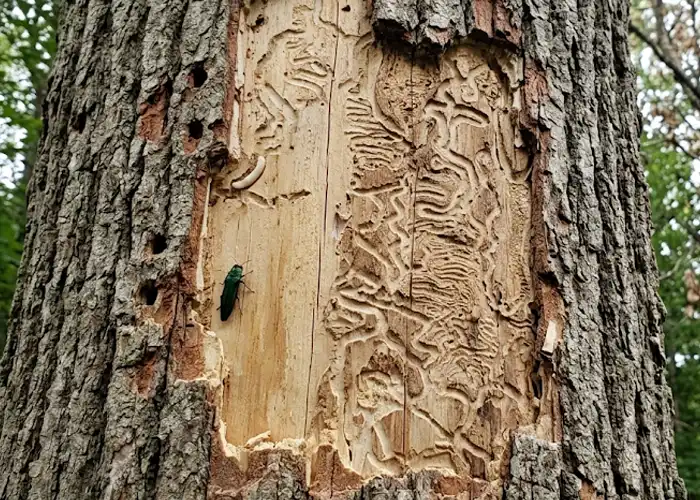
Spring is an excellent time to identify insect infestations before populations expand.
Common Tree Pests in West Michigan
Local pests include:
- Emerald Ash Borer
- Scale insects
- Borers
- Aphids
- Spider mites
Why Early Detection Matters
Insects often target stressed trees.
Early treatment can prevent additional damage and improve long-term health outcomes.
Checklist Item #7: Evaluate Tree Growth and Canopy Health
Spring growth provides important clues about overall tree condition.
Signs of Healthy Spring Growth
Healthy trees typically show:
- Consistent budding
- Uniform leaf development
- Strong branch growth
- Full canopy coverage
Uneven Leaf Development
Sparse leaves, delayed growth, or bare sections of the canopy may indicate:
- Disease
- Root problems
- Insect activity
- Environmental stress
These symptoms deserve further investigation.
Checklist Item #8: Inspect Trees Near Structures and Utilities
Location plays a major role in tree risk assessment.
Trees Near Homes
Pay special attention to trees growing near:
- Houses
- Garages
- Decks
- Fences
- Driveways
Even healthy trees may require pruning to maintain safe clearances.
Trees Near Power Lines
Trees contacting utility lines create serious hazards.
Never attempt to trim branches near power lines yourself. Contact your utility company or a qualified tree service.
When to Call a Professional Tree Service
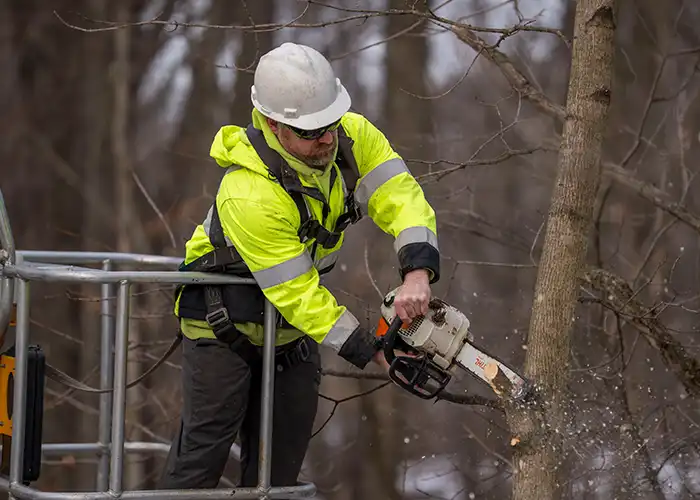
Some issues are easy to identify. Others require professional evaluation.
Consider scheduling an inspection if you notice:
- Large dead limbs
- Significant leaning
- Trunk cracks
- Root damage
- Disease symptoms
- Storm damage
- Trees near structures
Professional inspections can uncover hidden issues before they become emergencies.
Benefits of Annual Tree Inspections
Regular inspections provide several advantages.
Improved Safety
Identifying hazards early reduces the risk of tree failures.
Better Tree Health
Routine monitoring allows problems to be addressed before they become severe.
Lower Long-Term Costs
Preventative maintenance is often less expensive than emergency tree removal and property repairs.
Increased Property Value
Healthy, well-maintained trees contribute to curb appeal and overall property value.
Frequently Asked Questions
When should I inspect my trees in spring?
Late March through May is generally ideal in West Michigan, depending on weather conditions and tree species.
Can winter damage heal on its own?
Some minor damage may recover naturally. Significant cracks, broken limbs, or structural defects should be evaluated.
What are the most common tree problems found during spring inspections?
Dead branches, storm damage, disease symptoms, insect activity, and root issues are among the most common concerns.
How often should trees be professionally inspected?
Most residential properties benefit from a professional inspection every one to three years, depending on tree size and condition.
What should I do if my tree is leaning?
New or increasing lean should be evaluated immediately, especially if roots appear disturbed.
Can tree trimming improve tree health?
Yes. Proper pruning removes dead or damaged branches and can improve structure, health, and appearance.
Conclusion
Spring is the perfect time to evaluate the health and safety of the trees on your property. A simple inspection can help you identify winter damage, structural issues, disease, insect activity, and other concerns before they become larger problems.
By taking a proactive approach to tree care, West Michigan homeowners can improve tree health, reduce safety risks, and avoid costly emergency services later in the year.
If you're unsure about the condition of a tree on your property, G2 Tree Services provides professional tree inspections, tree trimming, tree removal, storm damage cleanup, and emergency tree services throughout Grand Rapids, Rockford, Ada, Kentwood, Wyoming, Byron Center, and surrounding West Michigan communities.
Contact G2 Tree Services today to schedule a professional spring tree inspection and free estimate.