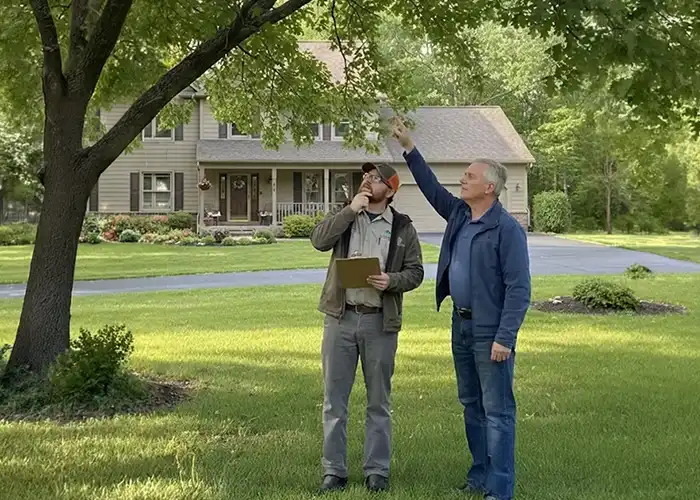
Introduction
Most dangerous trees don't fall without warning. In many cases, they show signs of trouble months or even years before they fail. The problem is that many homeowners don't know what to look for.
A tree that appears healthy from a distance could have hidden decay, root damage, or structural problems that make it a serious hazard. If a weakened tree falls during a storm or high winds, it can damage your home, crush vehicles, block driveways, or cause injuries.
The good news is that learning a few warning signs can help you spot potential problems before they become emergencies. Whether you're concerned about a tree leaning toward your house, dropping large branches, or showing signs of decline, knowing when tree removal may be necessary can help protect your property and your family.
In this guide, we'll cover seven common signs a tree is dangerous and needs removal, along with tips for determining when it's time to call a professional tree service.
Why Identifying Dangerous Trees Early Matters
Many homeowners assume that if a tree still has leaves, it must be healthy. Unfortunately, that's not always the case. Trees can continue producing leaves while suffering from serious structural problems.
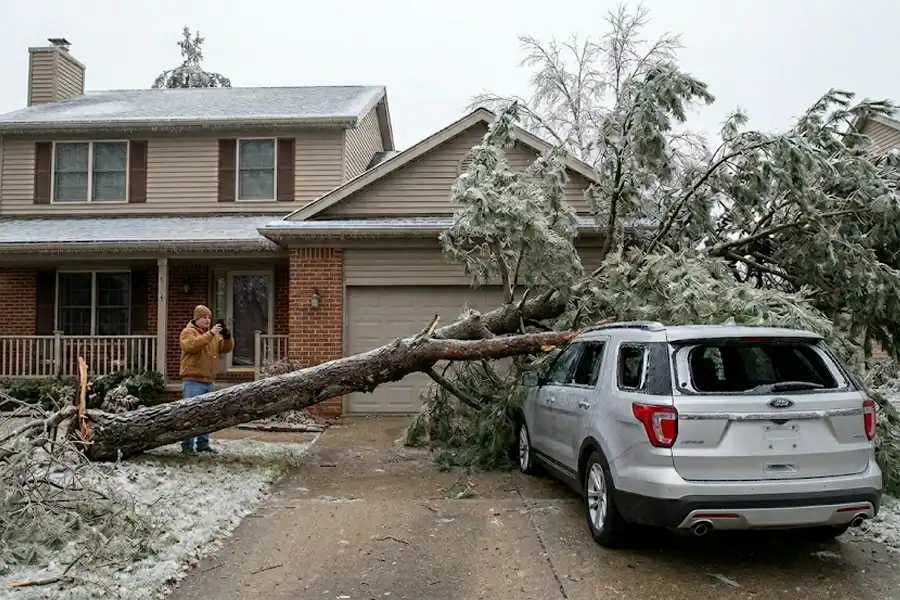
Property Damage Risks
A large tree can weigh several tons. When a tree fails, the damage can be significant. Roofs, garages, sheds, fences, and vehicles are all vulnerable to falling limbs or entire trees.
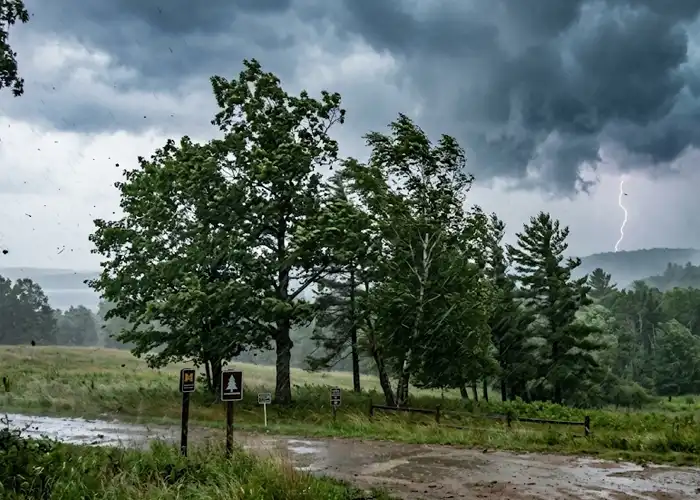
In West Michigan, severe thunderstorms, high winds, ice storms, and heavy snow can quickly turn a weakened tree into an emergency situation.
Personal Safety Risks
Dangerous trees aren't just a threat to property. Falling limbs and collapsing trees can injure people, pets, and neighbors. Trees near sidewalks, driveways, play areas, or public spaces deserve special attention.
Cost Savings Through Early Action
Removing a hazardous tree before it falls is almost always less expensive than dealing with emergency removal, structural repairs, and insurance claims afterward.
Sign #1: The Tree Is Leaning Suddenly
A tree that has always grown at a slight angle isn't necessarily dangerous. However, a tree that suddenly develops a noticeable lean should be evaluated immediately.
When a Lean Becomes Dangerous
Trees naturally adjust their growth over time. What concerns tree professionals is a recent change in position.
Warning signs include:
- New or increasing lean
- Soil lifting around the base
- Exposed roots
- Cracks in the ground near the trunk
Signs of Root Failure
A leaning tree often points to root system problems. If the roots are damaged, weakened, or pulling out of the ground, the tree may be at risk of falling without warning.
Sign #2: Large Dead Branches Are Falling
Dead branches are one of the most obvious signs that a tree may be in decline.
What Dead Limbs Mean
Branches die for many reasons, including disease, insect damage, drought stress, and age.
A few dead twigs aren't unusual. However, large dead limbs throughout the canopy often indicate a larger issue.
Why Falling Branches Are a Serious Hazard
Dead wood becomes brittle over time. Strong winds, storms, or even calm weather can cause limbs to break unexpectedly.
Trees over homes, driveways, patios, or play areas deserve immediate attention if large dead branches are present.
Sign #3: Deep Cracks or Splits in the Trunk
The trunk is the tree's main support structure. Significant cracks can indicate structural failure.
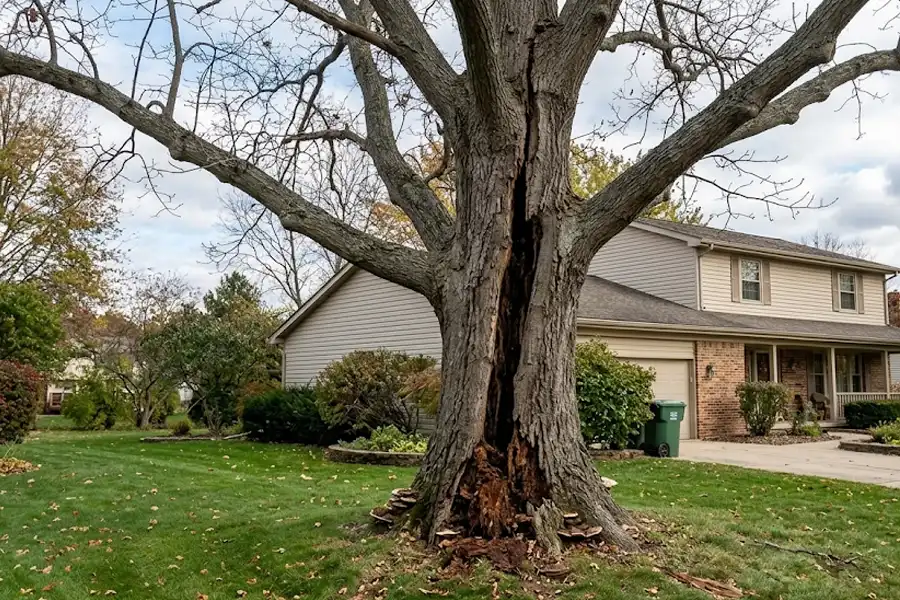
Surface Cracks vs Structural Damage
Not all cracks are cause for concern. Some species naturally develop shallow ridges and grooves in their bark.
More serious warning signs include:
- Deep vertical cracks
- Splits extending through the trunk
- Separation between major stems
- Visible internal wood
Common Causes of Tree Splits
Trunk damage may result from:
- Ice storms
- Wind damage
- Poor branch structure
- Previous storm injuries
- Internal decay
Once major structural cracks develop, removal may be the safest option.
Sign #4: The Tree Has Significant Decay or Hollow Areas
Trees are remarkably resilient and can survive some decay. However, extensive rot can compromise structural stability.
How Decay Weakens Trees
Decay breaks down the wood that supports the tree's weight. As rot spreads, the tree becomes less capable of handling wind, storms, and heavy branches.
Warning Signs of Internal Rot
Look for:
- Hollow cavities
- Mushrooms growing on the trunk
- Soft or crumbling wood
- Large openings in the trunk
- Carpenter ant activity
These signs may indicate advanced decay inside the tree.
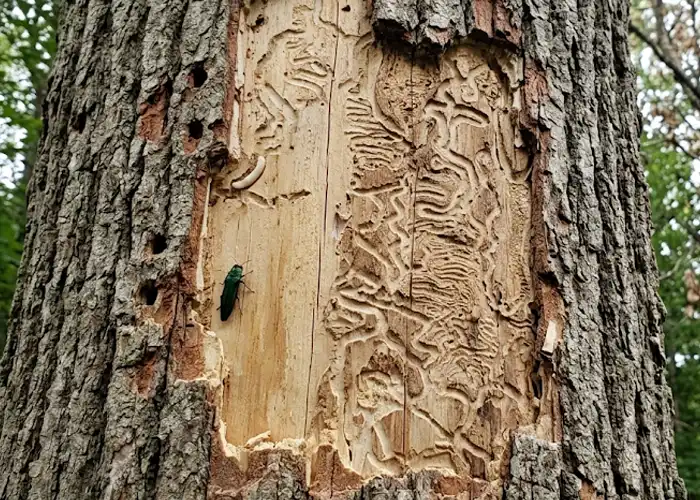
Sign #5: The Tree Is Losing Large Sections of Bark
Bark protects the living tissues that transport water and nutrients throughout the tree.
Why Bark Is Critical to Tree Health
When bark is damaged or missing, the tree becomes vulnerable to disease, insects, and decline.
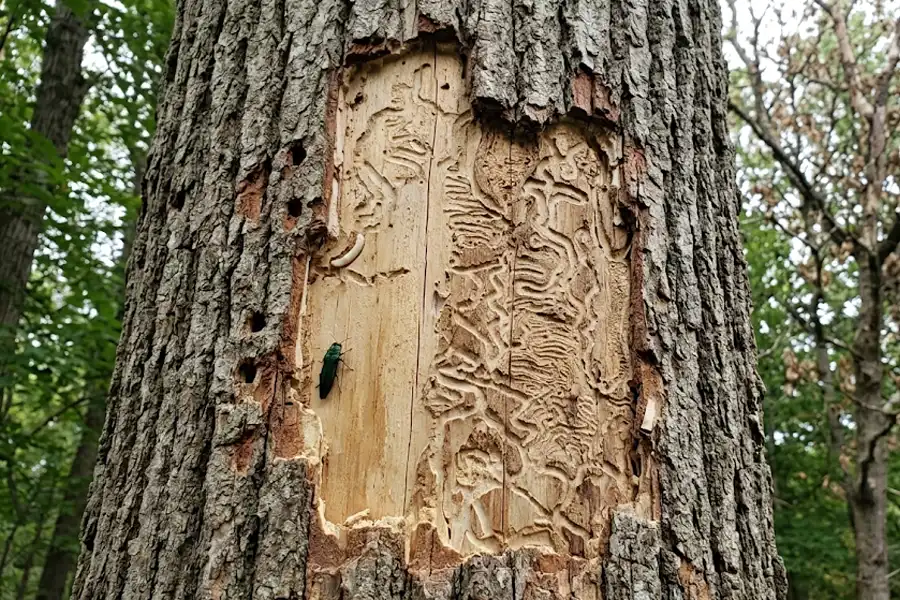
When Bark Loss Indicates Tree Failure
Warning signs include:
- Large patches of missing bark
- Bark peeling away from the trunk
- Extensive dead areas beneath the bark
- Multiple areas of bark loss around the tree
Extensive bark loss often signals severe stress or decline.
Sign #6: Roots Are Damaged or Lifting From the Ground
Roots provide stability and support. Problems below ground can be just as serious as visible damage above ground.
Signs of Root System Failure
Watch for:
- Soil heaving around the base
- Exposed roots
- Leaning trees
- Cracks in the ground
Construction and Storm Damage Risks
Construction projects frequently damage roots. Excavation, trenching, grading, and soil compaction can all weaken root systems.
Storms can also loosen or uproot roots, especially in saturated soils.
Sign #7: The Tree Is Dead or Dying
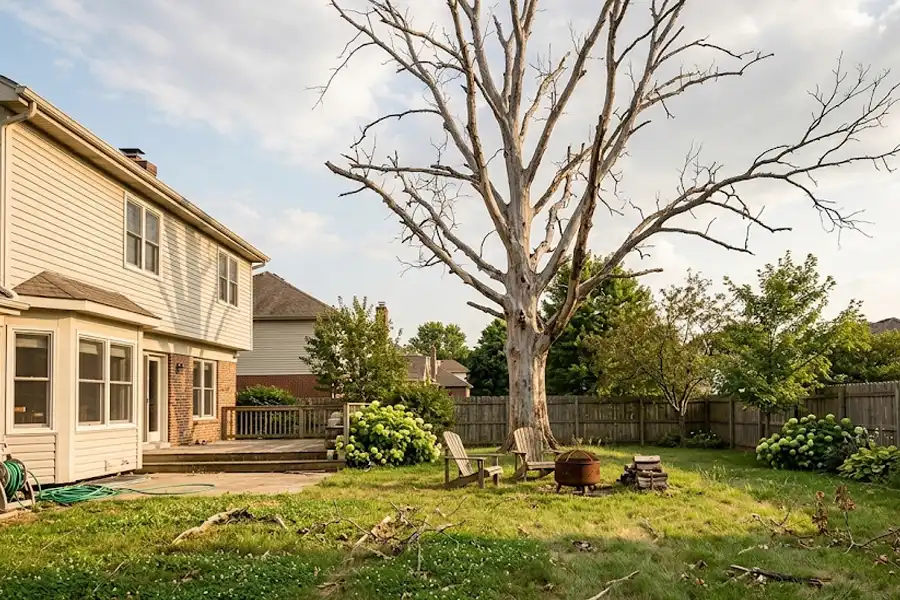
A dead tree presents one of the highest levels of risk on a property.
Common Signs of a Dead Tree
Indicators include:
- No leaves during the growing season
- Extensive dead branches
- Missing bark
- Fungal growth
- Brittle limbs
- No visible new growth
Why Dead Trees Should Be Removed
Dead trees continue to weaken over time. They become increasingly unstable and can fail unexpectedly.
Prompt removal helps prevent injuries and property damage.
Should You Remove the Tree or Try to Save It?
Not every problem requires tree removal.
In some cases, corrective pruning, cabling, bracing, or disease treatment may improve a tree's health and stability.
Factors professionals consider include:
- Overall tree health
- Location
- Structural condition
- Species
- Likelihood of recovery
A professional assessment can help determine the best course of action.
Why Professional Tree Inspections Matter
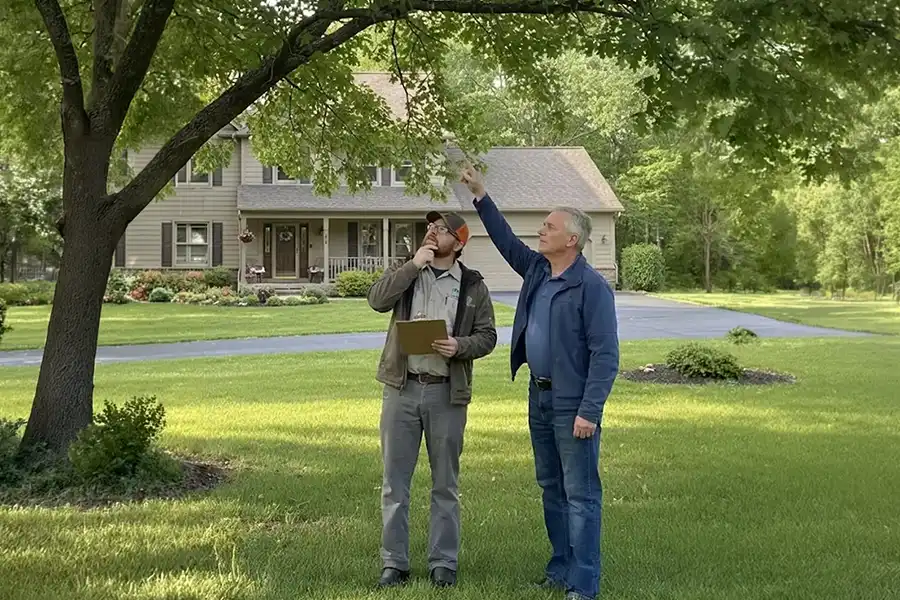
Many tree defects are difficult to identify without training and experience.
Professional tree inspections can uncover:
- Hidden decay
- Structural weaknesses
- Root problems
- Disease issues
- Storm damage risks
Regular inspections are especially important for large trees located near homes, garages, driveways, and public spaces.
For homeowners in Grand Rapids and throughout West Michigan, proactive inspections can help prevent costly emergencies and provide peace of mind.
Frequently Asked Questions
How can I tell if a tree is dangerous?
Common warning signs include leaning, dead branches, trunk cracks, decay, bark loss, root damage, and signs of decline.
Can a leaning tree be saved?
Sometimes. The answer depends on the cause of the lean and the condition of the root system.
Is a hollow tree always dangerous?
Not necessarily. Some hollow trees remain stable for years. However, large cavities should always be evaluated by a professional.
How much of a tree can be dead before removal is needed?
There is no universal percentage. The location, species, and structural condition all play important roles.
Should I remove a tree before it falls?
Yes. Proactive removal is generally safer and less expensive than emergency removal after failure occurs.
When should I schedule a tree inspection?
Any time you notice concerning symptoms or after major storms, high winds, or ice events.
Conclusion
Dangerous trees rarely fail without warning. Leaning trunks, dead branches, cracks, decay, bark loss, root damage, and signs of decline often provide clues that a tree may be becoming hazardous.
Recognizing these warning signs early can help you avoid property damage, reduce safety risks, and make informed decisions about tree care.
If you're concerned about a potentially dangerous tree on your property, G2 Tree Services provides professional tree inspections, tree removal, tree trimming, and emergency tree services throughout Grand Rapids, Rockford, Ada, Kentwood, Wyoming, Byron Center, and surrounding West Michigan communities.
Contact G2 Tree Services today for a free estimate and expert evaluation.